

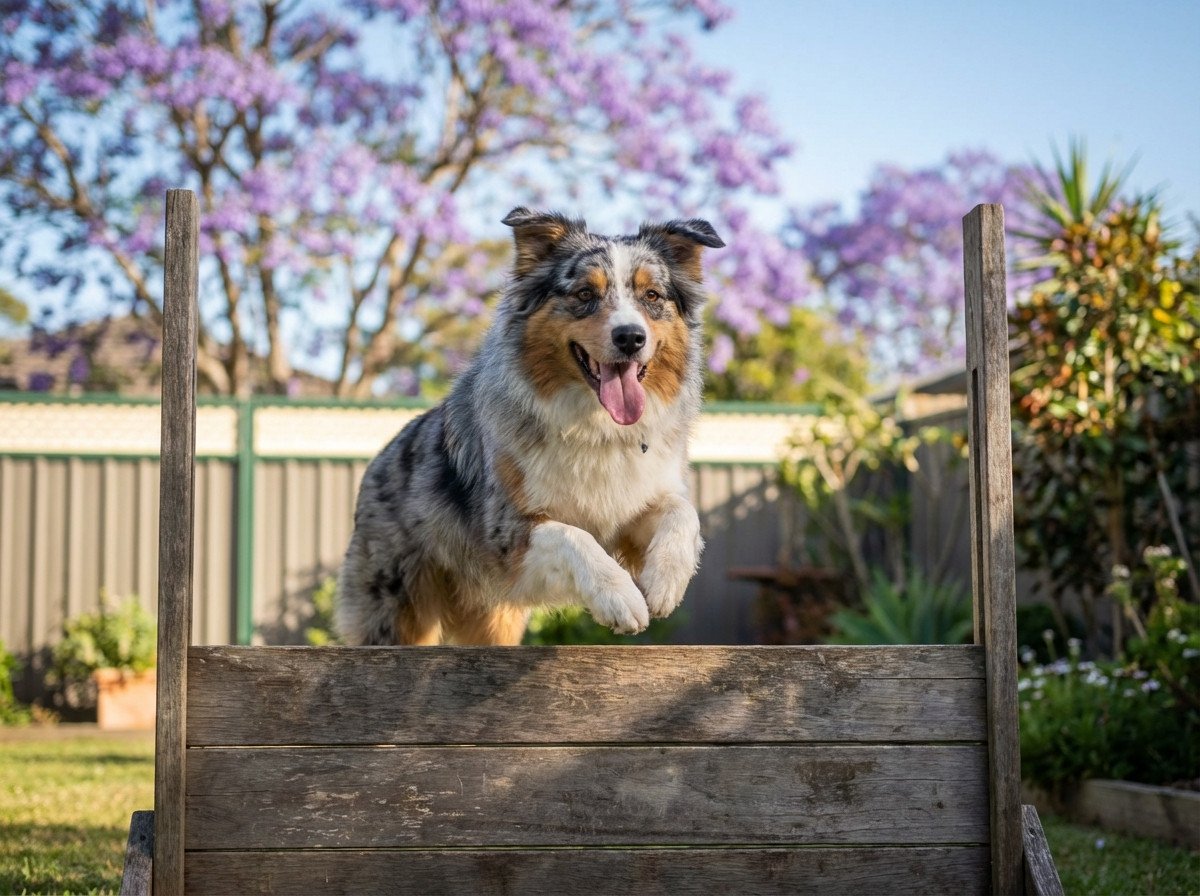
As the warmer weather rolls in across Australia, there's no better time to rethink your dog's outdoor enrichment routine. Spring offers longer daylight hours, milder temperatures, and a burst of new scents and sounds that make every backyard session or park visit infinitely more stimulating. Whether you have a high-energy kelpie or a laid-back bulldog, ramping up outdoor activities this season keeps your dog physically fit and mentally sharp.
Turn Your Yard into a Sniffing Playground
Dogs experience the world nose-first, and spring delivers a sensory buffet of fresh grass, blooming natives, and visiting wildlife scents. Harnessing that natural curiosity is one of the simplest outdoor games ideas you can try with your dog.
Scatter a handful of kibble or small treats across a section of lawn and let your dog snuffle them out. You can increase the difficulty by hiding treats under upturned pots, behind garden furniture, or inside cardboard boxes placed around the yard.
Scent work tires dogs out surprisingly fast. A 15-minute sniff session can be as mentally draining as a 30-minute walk — perfect for days when you're short on time but still want to provide meaningful enrichment outdoors.
Make the Most of Spring Weather with Water Play
Spring in much of Australia — from coastal Sydney to suburban Perth — brings those gorgeous mid-20s days that are ideal for introducing water-based activities. A shallow paddling pool, a sprinkler on low, or even a garden hose can turn an ordinary afternoon into a highlight of your dog's week.
Toss a floating toy into the pool and encourage your dog to retrieve it. Breeds like labradors and spaniels often take to water naturally, but even water-shy dogs can learn to enjoy a gentle splash with patience and positive reinforcement.
Always supervise water play and provide fresh drinking water alongside. Tip the pool out after each session to avoid mosquito breeding — especially important as temperatures climb through October and November.
Take Puzzle Toys Outdoors
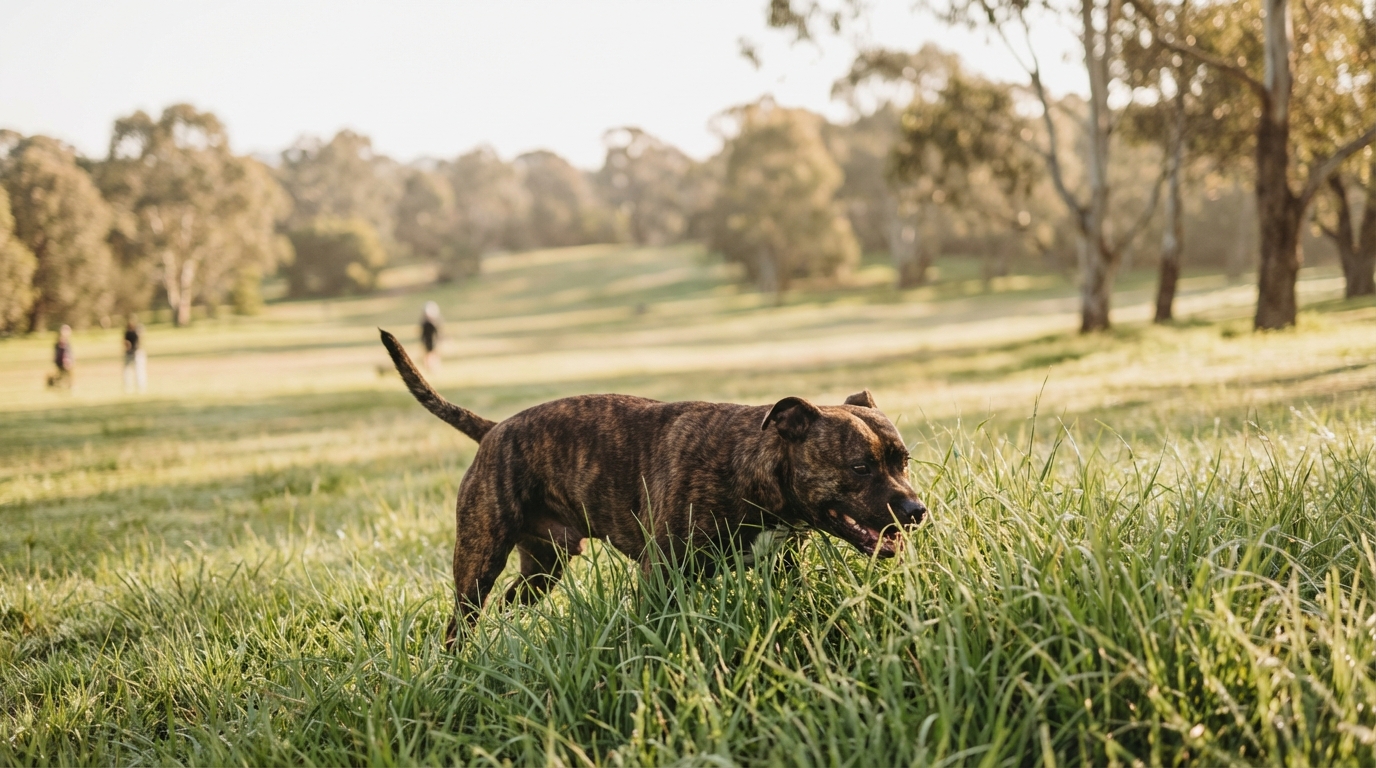
If your dog already loves interactive toys indoors, try moving the fun outside. The change of environment adds a layer of difficulty because your dog has to focus despite the distractions of birds, breezes, and neighbourhood sounds.
Stuff a rubber treat-dispensing toy with a mix of wet food and kibble, then place it on the grass. The uneven surface makes it roll unpredictably, encouraging problem-solving and persistence. You can also freeze the stuffed toy overnight for an extra-long challenge on warmer spring days.
Quick tip: Pair a food puzzle with a shaded rest spot. Dogs can overheat quickly in direct sun even during spring, so set up enrichment stations under a tree or patio umbrella and always have water nearby.
Combining mental stimulation with fresh air is a powerful way to enrich your dog's daily routine without needing a lot of space or equipment.
Build a DIY Obstacle Course
You don't need competition-grade agility gear to give your dog an exciting physical challenge. A few household items — a broomstick balanced on two buckets for a jump, a blanket draped over chairs for a tunnel, pool noodles stuck in the ground for weaving — create a brilliant backyard course.
Start simple. Guide your dog through each obstacle with treats and praise, then gradually link them together into a sequence. This kind of structured spring activity builds confidence, strengthens the bond between you, and burns off that seasonal surge of energy many dogs get as the days warm up.
For dogs who love to tug or fetch between obstacles, keep a durable outdoor toy on hand as a reward at the finish line. The combination of physical effort and game-based motivation keeps engagement high.
Rotate Toys and Keep Things Fresh
Even the best enrichment loses its spark if it becomes predictable. Dogs thrive on novelty, so rotating your outdoor toy selection every few days is a simple way to maintain excitement.
Keep three or four toys in active rotation and store the rest out of sight. When you reintroduce a toy after a week's absence, your dog will treat it like a brand-new discovery. This approach also extends the life of each toy, saving you money in the long run.
Pair rotation with variety. Mix fetch toys, tug toys, and food-dispensing puzzles so your dog gets different types of stimulation across the week. Varying the location helps too — front yard one day, local park the next, beach on the weekend if you're near the coast.
Consistency matters as much as creativity. Even 10 to 15 minutes of focused, enriching outdoor play each day makes a measurable difference in your dog's behaviour and overall wellbeing.
Frequently Asked Questions
How much outdoor enrichment does my dog need each day?
Most dogs benefit from at least 15 to 30 minutes of dedicated enrichment on top of their regular walks. High-energy breeds may need more, while senior dogs or brachycephalic breeds may do well with shorter, calmer sessions. Watch your dog's body language — a relaxed, sleepy pup afterwards is a good sign you've hit the sweet spot.
Are there any spring hazards I should watch for during outdoor play?
Yes. Spring brings snakes out of brumation in many parts of Australia, so check your yard before play sessions and stick to open, well-maintained areas. Also be mindful of fertilisers, mulch, and certain garden plants like lilies and sago palms, which can be toxic to dogs.
What if my dog loses interest in outdoor games quickly?
Short attention spans are common, especially in puppies. Keep sessions brief and upbeat, end on a positive note, and vary the type of activity. Using high-value treats or a favourite toy as a reward can also reignite motivation. If your dog consistently seems uninterested or lethargic, it's worth having a chat with your vet to rule out any underlying issues.
Ready to refresh your dog's outdoor play kit for spring? Browse our full range of dog toys and interactive puzzles to find something your pup will love — no matter their size, breed, or play style.