

If you've noticed white flakes on your dog's coat or bedding, you're not alone — dandruff in dogs is one of the most common skin concerns Australian pet owners face. Understanding what causes dog dandruff is the first step toward restoring a healthy, comfortable coat. The good news? Most cases of dry, flaky skin in dogs respond well to simple changes in grooming, nutrition, and environment.
What Is Dog Dandruff?
Dandruff occurs when your dog's skin sheds dead cells at a faster-than-normal rate, leaving visible white or yellowish flakes through the coat. It's technically called seborrhoea and can appear anywhere on the body, though it's most noticeable along the back, around the ears, and near the tail base.
While dandruff itself isn't dangerous, it often signals that something in your dog's skin health needs attention. It can also cause itchiness that leads to scratching, which may create secondary irritation if left unmanaged.
Common Causes of Dandruff in Dogs
There's rarely a single culprit behind dog dandruff — several factors can contribute, sometimes simultaneously. Here are the most common causes to consider:
- Dry environment: Low humidity — common in Australian winters or in air-conditioned homes during summer — strips moisture from your dog's skin, leading to flakiness.
- Poor nutrition: A diet lacking essential fatty acids (especially omega-3 and omega-6) is one of the leading dietary causes of dry skin and dandruff in dogs.
- Infrequent or over-bathing: Bathing too rarely allows dead skin to build up, while bathing too often strips natural oils from the coat.
- Allergies: Environmental allergens like dust mites, pollen, and grass — particularly prevalent across coastal and rural Australia — can trigger flaky, irritated skin.
- Parasites: Mites (including the aptly named "walking dandruff" mite, Cheyletiella) and fleas can mimic or worsen dandruff symptoms.
- Underlying skin conditions: Fungal infections, hormonal imbalances, or autoimmune conditions may present with dandruff as an early sign.
Identifying the root cause is essential for choosing the right approach to treatment. If flaking appears suddenly, is accompanied by hair loss, or doesn't improve with basic care, it's worth investigating further.
Signs Your Dog Has Dry, Flaky Skin
Dandruff isn't always as obvious as a snowfall of white flakes on your couch. Sometimes the signs are subtler, especially in dogs with thick or dark coats. Watch for these indicators:
- Visible flakes when you part the fur or brush your dog
- Persistent scratching, licking, or nibbling at the skin
- A dull, lacklustre coat that lacks its usual shine
- Redness or slight irritation beneath the flakes
- A greasy or waxy feel to the coat (oily seborrhoea)
Run your fingers through your dog's coat regularly, especially during seasonal changes. Dogs with dry, flaky skin often show improvement quickly once the underlying issue is addressed — so early detection makes a real difference.
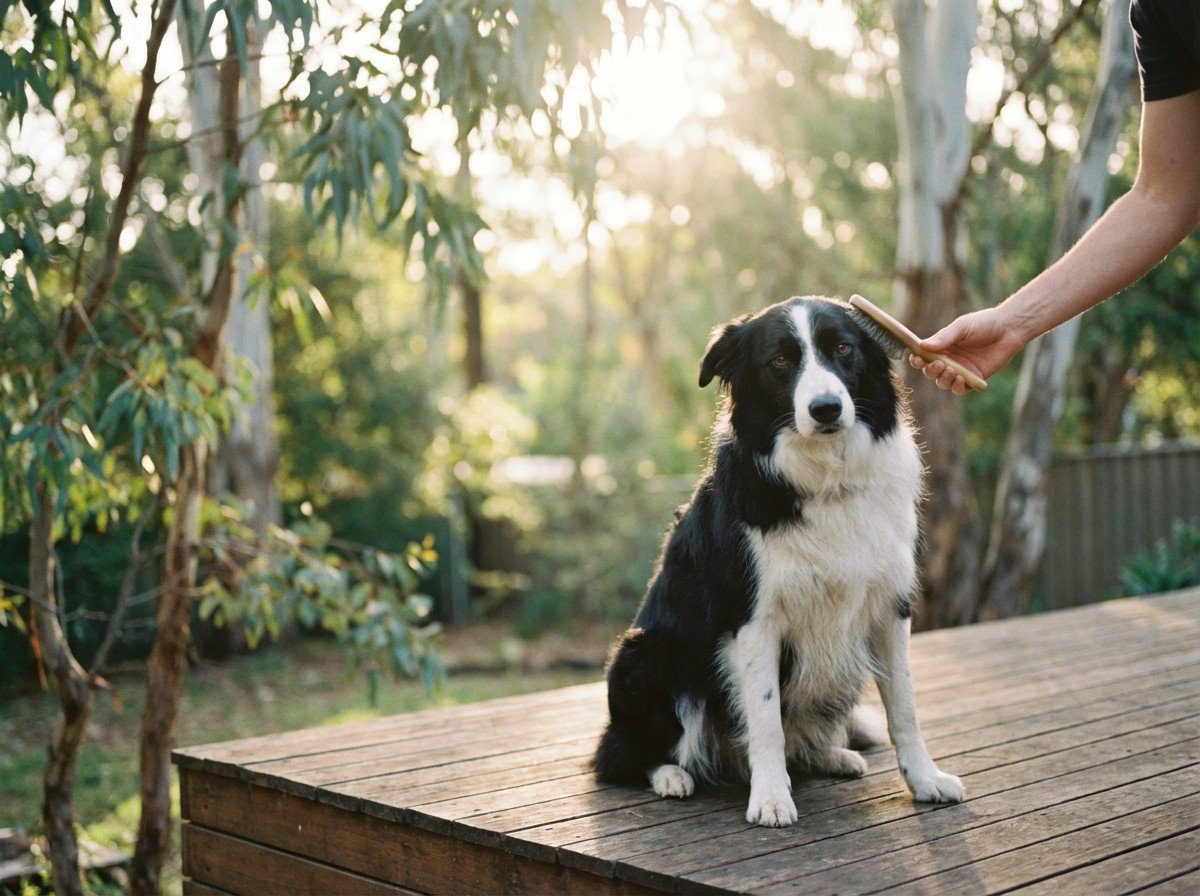
Quick tip: Brush your dog gently before bath time. This loosens dead skin flakes and distributes natural oils, making shampoo more effective and reducing the appearance of dandruff between washes.
Effective Dandruff Treatment for Dogs
Treating dandruff successfully means tackling both the symptoms and the cause. Here's a practical approach that works for most dogs:
Upgrade your grooming routine. Regular brushing stimulates the skin and distributes oils evenly through the coat. Pair this with a gentle, moisturising shampoo formulated for sensitive or flaky skin. Browse our range of dog shampoos, brushes, and grooming tools to find products suited to your dog's coat type. Avoid human shampoos — they have the wrong pH for canine skin and can worsen dryness.
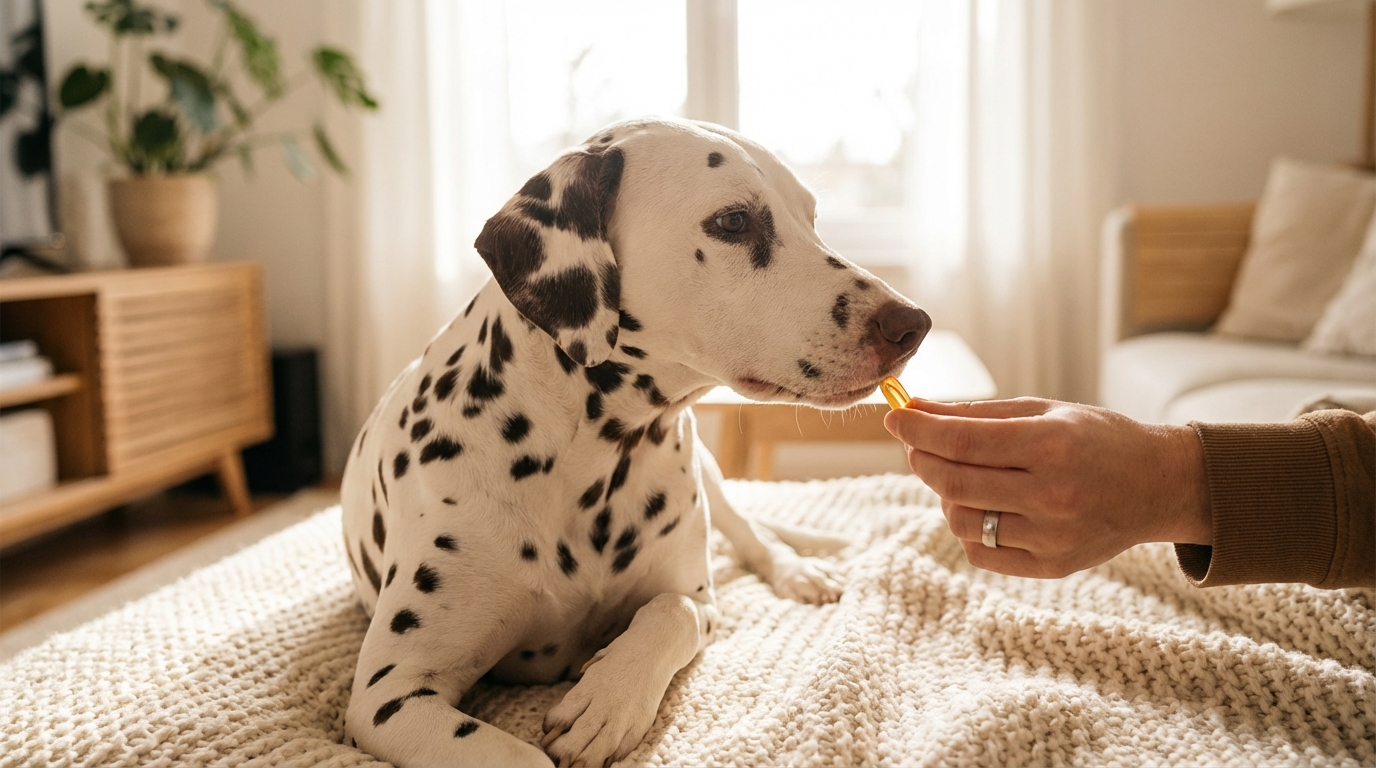
Boost nutrition from the inside. Adding an omega fatty acid supplement or switching to a food rich in fish oil, flaxseed, or other healthy fats can dramatically improve skin hydration over four to six weeks. Look for foods that list a quality protein as the first ingredient.
Manage the environment. If your home is dry — especially during Aussie winters in southern states like Victoria or Tasmania — consider running a humidifier in the rooms where your dog spends the most time. Ensure fresh water is always available, as hydration starts from within.
Address parasites promptly. Keep flea and mite treatments up to date. If you suspect a parasitic cause, check for tiny moving specks (Cheyletiella mites) or flea dirt near the base of the tail.
For a comprehensive approach to managing your dog's coat condition, explore our full skin and coat health collection, which includes supplements, topical treatments, and nourishing conditioners designed to support healthy skin.
Preventing Dandruff Year-Round
Once you've cleared up your dog's dandruff, a few consistent habits will help keep it from returning:
- Stick to a regular grooming schedule. Brush at least two to three times per week for medium and long coats, and bathe every three to four weeks using a gentle, soap-free shampoo.
- Feed a balanced, nutrient-rich diet. Essential fatty acids are non-negotiable for skin health. If your dog's food doesn't contain adequate omega oils, add a supplement.
- Adjust care with the seasons. Australian summers bring heat, humidity, and allergens, while winter air can be drying. Adapt your grooming frequency and product choices accordingly.
- Keep parasite prevention consistent. A lapse of even a few weeks can open the door to mites and fleas that trigger flaking.
Prevention is far simpler than treatment. A little attention to your dog's skin each week goes a long way toward a flake-free, glossy coat all year.
Frequently Asked Questions
Is dandruff in dogs contagious to humans or other pets?
Standard dandruff caused by dry skin or diet is not contagious. However, if the flaking is caused by Cheyletiella mites, these parasites can temporarily transfer to other animals and occasionally to humans. If multiple pets in your household show symptoms, parasites may be the cause.
How long does it take for dog dandruff treatment to show results?
Topical improvements from medicated or moisturising shampoos can often be seen within one to two baths. Nutritional changes — like adding omega fatty acid supplements — typically take four to six weeks to noticeably improve skin condition. Consistency is key.
Should I be worried if my dog's dandruff doesn't go away?
If you've improved grooming habits, adjusted your dog's diet, and ruled out parasites but the flaking persists or worsens, it's a good idea to chat to your vet. Persistent dandruff can occasionally point to hormonal or immune-related conditions that benefit from professional assessment.
Ready to give your dog's skin the care it deserves? Browse our skin and coat health range for supplements, shampoos, and grooming essentials that help keep flaky skin at bay.