

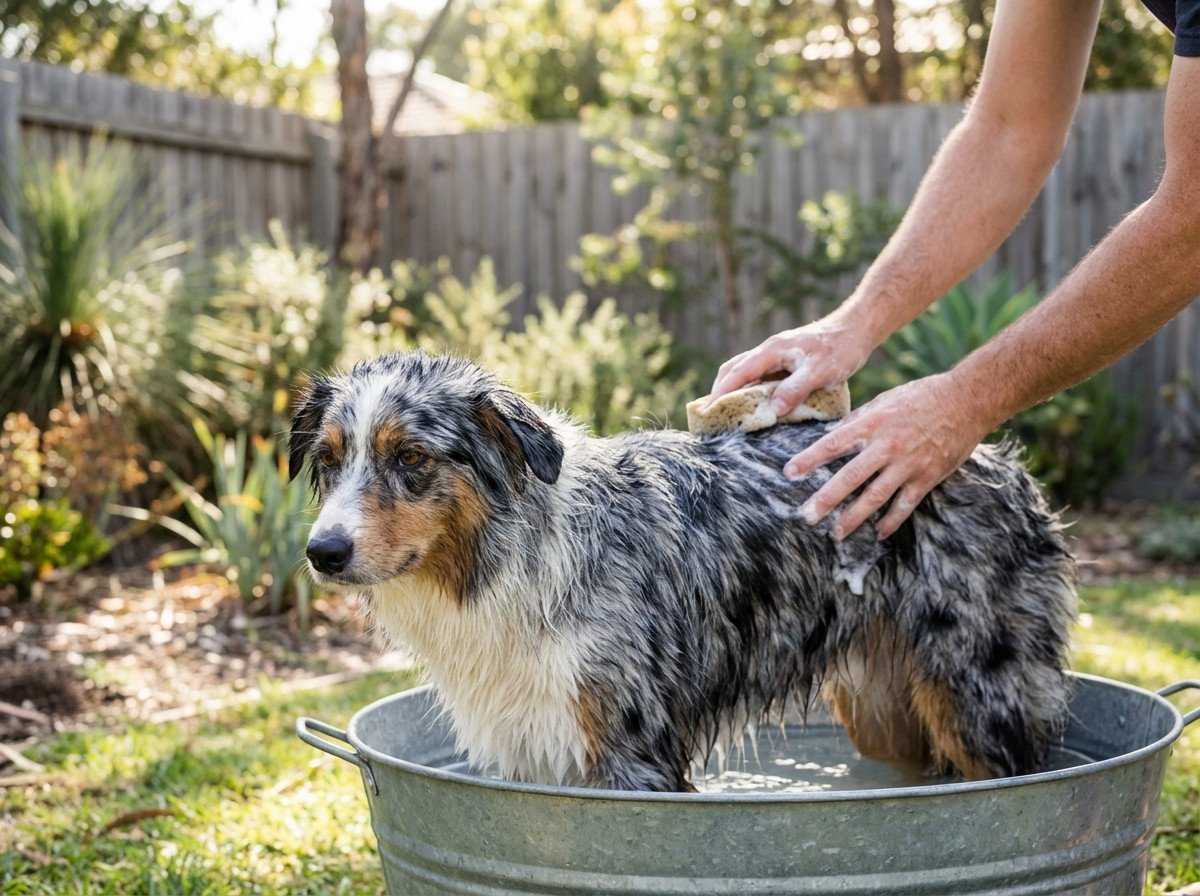
Figuring out the right dog bathing frequency can feel like guesswork — too often and you strip natural oils, too rarely and your pup starts clearing the room. The truth is, how often you should bathe your dog depends on breed, coat type, lifestyle, and even the Australian season. This guide breaks it all down so you can build a grooming schedule that keeps your dog's skin healthy and coat looking brilliant.
Factors That Affect How Often You Should Bathe Your Dog
There's no single answer that suits every dog. A Labrador who swims at Bondi every weekend has very different needs to a Chihuahua who barely leaves the couch.
Coat type is the biggest factor. Dogs with double coats, oily coats, or long silky hair each require a different approach. Breeds with naturally oily skin — like Basset Hounds — may need more frequent baths than breeds with dry, wiry coats.
Lifestyle and activity level matter just as much. Dogs that spend hours outdoors, roll in mud, or swim regularly will obviously need bathing more often. Indoor dogs who stay relatively clean can go longer between washes.
Skin conditions can also change the equation. Dogs prone to allergies, hot spots, or dry skin may benefit from more — or fewer — baths depending on the issue, paired with the right skin and coat support.
Bathing Guidelines by Coat Type
Use these as starting points, then adjust based on how your dog's coat looks and feels:
- Short, smooth coats (Staffordshire Terriers, Greyhounds): Every 6–8 weeks. These coats are low maintenance, but a bath helps remove loose hair and dander.
- Double coats (Australian Shepherds, Border Collies, Huskies): Every 6–12 weeks. Over-bathing strips the undercoat's protective oils, so less is more.
- Long or silky coats (Maltese, Shih Tzus): Every 3–4 weeks. These coats tangle easily and benefit from regular washing and conditioning.
- Wiry or rough coats (Schnauzers, Wire Fox Terriers): Every 4–6 weeks. Hand-stripping between baths helps maintain texture.
- Curly or wool coats (Poodles, Labradoodles): Every 3–4 weeks. Curly coats trap dirt and debris, so regular baths paired with thorough brushing are essential.
Whichever coat type your dog has, using a quality shampoo formulated for dogs makes a real difference. Browse our full range of dog shampoos, brushes, and clippers to find the right products for your breed.
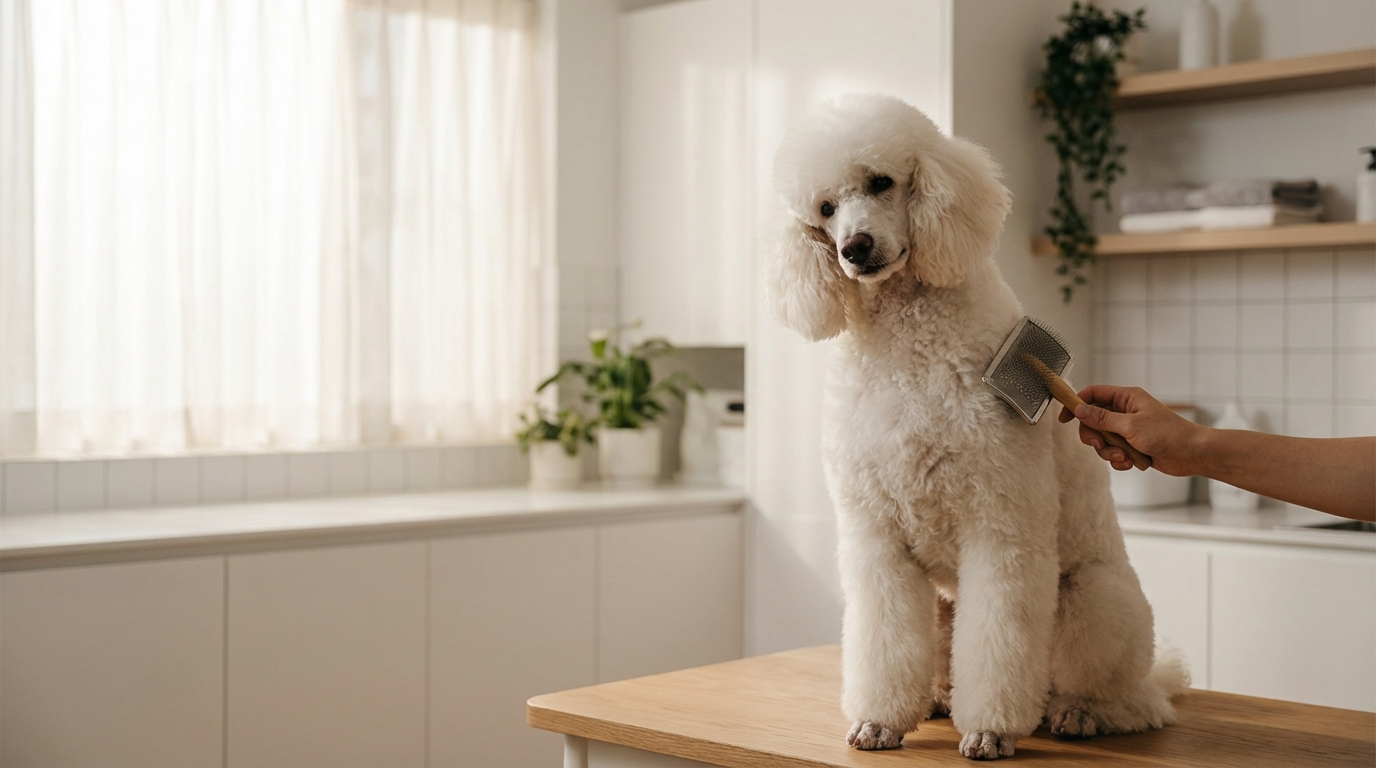
Building a Dog Grooming Schedule That Works
Bathing is just one piece of the puzzle. A complete grooming schedule should also include brushing, nail trimming, ear cleaning, and dental care. Staying consistent prevents small issues from becoming bigger problems.
Here's a simple framework to start with:
- Brushing: 2–3 times per week for most breeds; daily for long or double-coated dogs.
- Bathing: Every 3–8 weeks depending on coat type (see guidelines above).
- Nail trimming: Every 2–4 weeks, or whenever you hear clicking on hard floors.
- Ear cleaning: Every 2–4 weeks, especially for floppy-eared breeds.
- Teeth cleaning: Daily brushing is ideal; at minimum, several times a week.
Quick tip: Keep a simple calendar or phone reminder for each grooming task. Spacing them out across the week makes it manageable — and your dog won't associate grooming day with an overwhelming marathon session.
Consistency matters more than perfection. Even a rough schedule helps you spot skin changes, lumps, or parasites early.
Signs You're Bathing Too Much or Too Little
Over-bathing strips the natural oils that keep your dog's skin moisturised and coat glossy. Watch for dry, flaky skin, a dull coat, excessive scratching, or redness. If you're seeing these signs, try extending the gap between baths and using a gentler shampoo.
Under-bathing leads to a different set of problems: a strong doggy odour, greasy or matted fur, and potential skin irritation from built-up dirt and allergens. If your dog smells even after a good brush, it's time for a wash.
A healthy coat should feel soft and look slightly glossy — not greasy, not dry. Supporting your dog's coat from the inside out with proper nutrition and targeted skin and coat products can make a noticeable difference between baths.
Seasonal Grooming Tips for Australian Dogs
Australia's climate adds a unique twist to your grooming routine. During summer — especially in humid regions like Queensland and the Northern Territory — dogs sweat through their paws, attract more parasites, and may need bathing slightly more often to stay comfortable.
In winter, particularly in cooler areas like Melbourne or Hobart, dogs tend to stay drier and cleaner. You can often extend the time between baths. Just be sure to dry your dog thoroughly after washing in cold weather to prevent chill.
Spring and autumn bring shedding season for double-coated breeds. Ramp up your brushing during these months — daily if possible — to manage loose undercoat before it mats. A deshedding tool or slicker brush makes a huge difference during the coat blow.
Frequently Asked Questions
Can I bathe my dog every week?
For most dogs, weekly bathing is too frequent and can strip essential oils from the skin and coat. Exceptions include dogs with specific skin conditions that benefit from medicated or soothing shampoos. If you feel your dog needs frequent washing, use a very gentle, moisturising formula.
How often should I groom a puppy?
Start gentle grooming sessions — short baths, soft brushing, handling paws and ears — from around 8–10 weeks of age. The goal at this stage is to build positive associations rather than follow a strict schedule. As their adult coat comes in, you can transition to a regular routine.
What if my dog hates baths?
Many dogs dislike baths, but you can reduce stress by using lukewarm water, a non-slip mat, and plenty of treats. Keep early sessions short and upbeat. Over time, most dogs learn to tolerate — or even enjoy — bath time when it's paired with positive reinforcement.
Finding the right bathing and grooming rhythm takes a little trial and observation, but the payoff is a happier, healthier dog. Explore our grooming essentials to set up your routine with the right tools — and if your dog has persistent skin issues, have a chat with your vet for tailored advice.