

Few things are as exciting — or as overwhelming — as bringing a new puppy home for the first time. Having a checklist of puppy essentials ready before arrival day takes the guesswork out of those chaotic first hours, so you can focus on bonding instead of scrambling. This guide covers everything you need to set your pup up for a happy, healthy start.
Feeding Essentials for Your New Puppy
Nutrition is the foundation of your puppy's growth, so it's worth getting this right from day one. Choose a premium, age-appropriate puppy food formulated for your pup's expected adult size — small-breed and large-breed formulas differ in calorie density and calcium levels.
You'll need sturdy, non-slip food and water bowls. Stainless steel or ceramic options are easy to clean and won't harbour bacteria the way plastic can over time. For messy drinkers, a silicone mat underneath saves your floors.
Browse our full range of dog food and treats to find the right match for your puppy's breed and age. It's also a good idea to pick up some small, soft training treats — you'll go through plenty during those early socialisation sessions.
Comfort and Sleep Setup
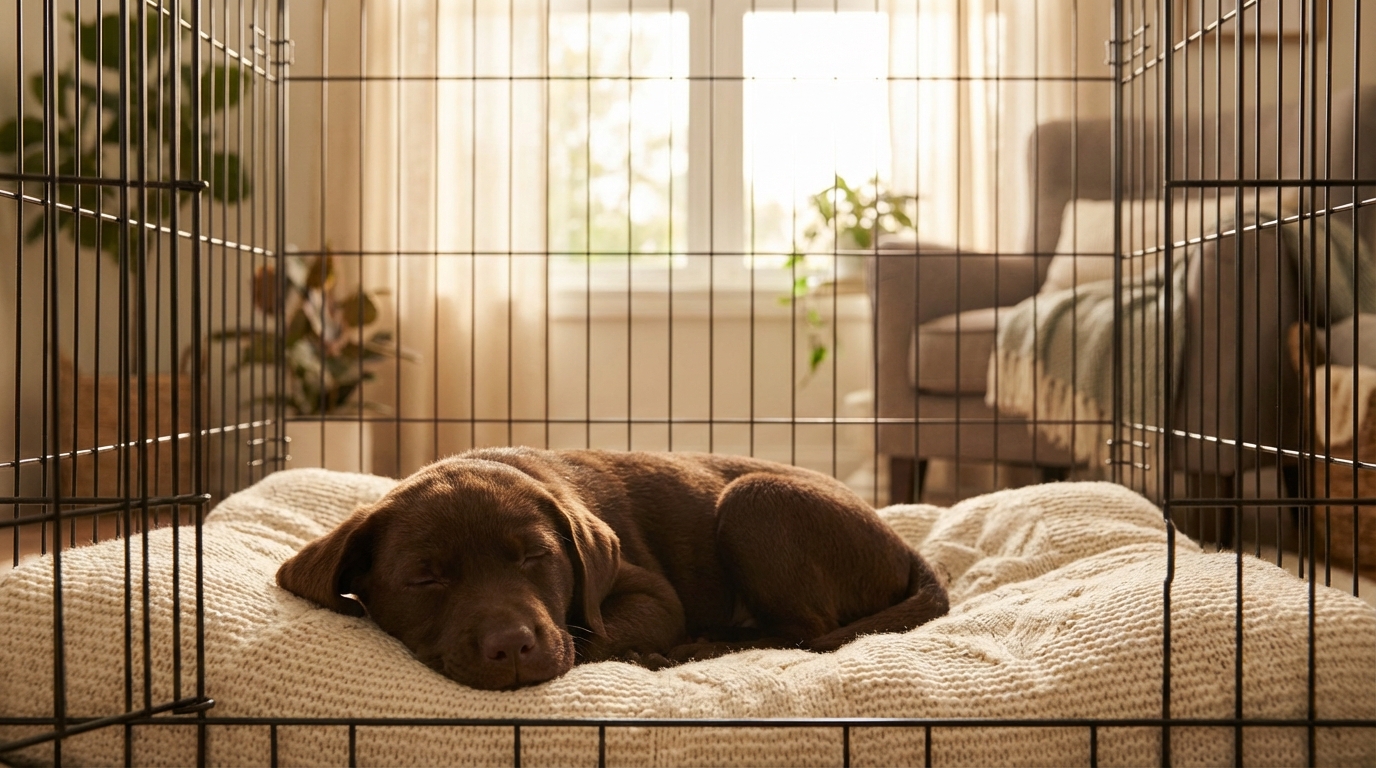
Puppies sleep up to 18 hours a day, so a comfortable, designated sleeping area is non-negotiable on any new puppy checklist. A crate with a soft, washable liner gives your pup a secure den-like space that also assists with toilet training.
Place the crate in a quiet corner of a communal room so your puppy feels included without being overstimulated. In cooler months — particularly through a southern Australian winter — add a warm blanket or a pet-safe heat pad for extra comfort during those chilly overnight stretches.
Expect a few restless nights at first. A ticking clock or a heartbeat toy wrapped in a blanket that smells like your puppy's littermates can ease the transition and reduce whimpering.
Safety and Containment Around the Home
Before bringing your puppy home, walk through every room at ground level — literally. Loose cables, toxic houseplants, medications, and small objects are all choking or poisoning hazards for a curious pup.
A baby gate or playpen lets you section off safe areas while your puppy learns the house rules. Outdoors, check that fencing is secure and that there are no gaps a small dog could squeeze through. Many Australian gardens also contain plants like yesterday-today-and-tomorrow (Brunfelsia) that are toxic to dogs, so do a quick audit of your yard.
Quick tip: Keep a puppy-proofing checklist on the fridge and tick items off room by room. Common oversights include open toilet lids, accessible rubbish bins, and dangling blind cords — all of which pose real risks to an inquisitive pup.
An adjustable collar or harness, an ID tag with your phone number, and a lightweight lead round out your containment essentials. Microchipping is a legal requirement in every Australian state and territory, so confirm this has been done before or shortly after pickup.
Grooming and Health Basics
Start grooming habits early so your puppy learns to accept handling without fuss. A soft bristle brush, puppy-formulated shampoo, nail clippers, and ear-cleaning solution are the core items on your puppy essentials list for health and hygiene.
Flea, tick, and worming treatments are especially important in Australia's warmer coastal regions where paralysis ticks are prevalent. Stock up on appropriate preventatives suited to your puppy's weight — our puppy supplies range includes parasite protection options for all sizes.
Keep a small pet first-aid kit on hand containing saline solution, gauze, adhesive bandage, tweezers, and antiseptic wipes. Knowing where your nearest emergency vet clinic is located is another simple step that can make a big difference if something goes wrong.
Toys and Enrichment to Keep Your Puppy Thriving
A bored puppy is a destructive puppy. Investing in a variety of toys — chew toys, tug toys, puzzle feeders, and plush toys — keeps your pup mentally stimulated and saves your furniture from becoming a casualty.
Rotate toys every few days to maintain novelty. Frozen rubber toys stuffed with a smear of dog-safe peanut butter work brilliantly during Australian summers when pups need a cool-down activity, and they also soothe sore gums during the teething phase at around 12 to 16 weeks.
Socialisation is just as important as physical enrichment. Introduce your puppy to different surfaces, sounds, people, and friendly vaccinated dogs during the critical socialisation window (roughly 3 to 14 weeks of age). Short, positive experiences now build a confident adult dog later.
Frequently Asked Questions
What should I have ready before my puppy arrives?
At a minimum, have food and water bowls, age-appropriate puppy food, a crate or bed, a collar with an ID tag, a lead, cleaning supplies for accidents, and a few safe chew toys. Having everything set up in advance lets your puppy settle in without unnecessary stress.
How do I help my puppy sleep through the night?
Place the crate near your bedroom for the first few nights so your puppy can hear and smell you. A heartbeat toy and a warm blanket help replicate the comfort of littermates. Most puppies adjust within one to two weeks.
When should I start training my puppy?
You can begin basic training — sit, name recognition, and toilet routines — from the day you bring your puppy home. Keep sessions short (five minutes or less) and reward generously with small treats and praise. Consistency is far more effective than duration at this age.
Preparing for a new puppy doesn't have to be stressful. Grab everything you need from our puppy supplies collection, and if you have any breed-specific health concerns, have a chat with your vet to make sure your little one is on the right track from the start.